




Quick note on the title: I’m keeping “2025” because that’s the inflection point. 2026 is the year the consequences show up in every merchant P&L.
In 1999, Bill Gates described something he called a Digital Nervous System: a business that can sense what’s happening, understand it fast, and respond before the competition even realises there’s a problem. Great idea. Wrong decade.
Because for the last twenty years, eCommerce has been “digital” in the same way a spreadsheet is “an operating system”. We’ve had dashboards. We’ve had alerts. We’ve had endless tools. What we haven’t had is the bit that actually matters: reflexes.
The uncomfortable truth: most commerce teams aren’t short on data. They’re short on action. And the cost of that gap is paid in slow sites, leaky funnels, and “we’ll fix it next sprint” optimism.
So… what changed?
2025 was the year software stopped being passive. Not “AI features”. Not “chat in the dashboard”. I mean software that can take responsibility—observe, decide, execute—under guardrails.
And that turns 2026 into the first proper year of AI-native commerce: where teams that still run the old way (manual reporting, siloed tools, heroic firefighting) start losing to teams that run as a system.
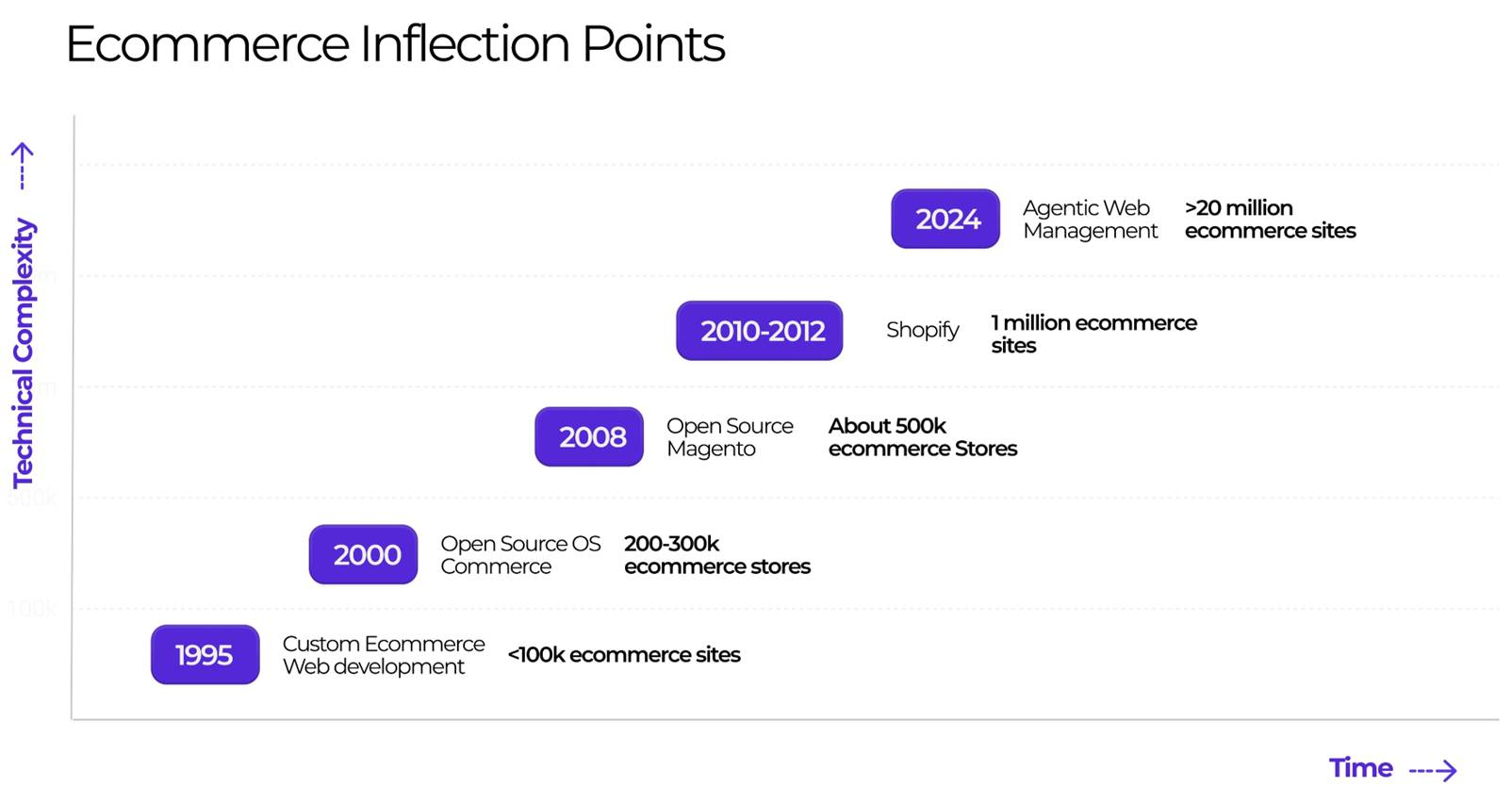
The pattern is always the same: more stores, more complexity, and then a new operating model replaces the old one.
The problem isn’t intelligence. It’s trust.
Everyone wants “autonomous agents” until the first one touches the live checkout. Then it’s suddenly: “Can we just have insights… maybe in a PDF… and we’ll review it next Thursday?”
That’s not a failure of ambition. It’s rational. In eCommerce, one broken deploy can cost you a day’s revenue and a week of reputation. So the real blocker isn’t whether AI is clever enough. It’s whether your business can safely let AI act.
Our answer: give the business a body
At Vortex IQ, we built an AI Operating System for Commerce around a simple model: Eyes to see, Voice to explain, and Hands to fix—without risking the live site.
Eyes
The Nerve Centre
Always-on monitoring across performance, revenue, marketing, checkout, and data integrity.
Voice
Ask Viq + Vortex Mind
Plain-English answers and root-cause diagnostics across GA4, ads, payments, and platform data.
Hands
Agent Hub + Vortex Apps
Agents execute changes—staging-first with backup + rollback—so humans stay in control.
The Digital Nervous System, finally realised
Gates’ DNS was about information flow. The missing piece back then was execution. A nervous system without muscles is just… a spreadsheet with feelings.
“How you gather, manage, and use information will decide whether you win or lose.”
— Bill Gates, Business @ the Speed of Thought
What “corporate reflexes” look like in eCommerce
- Checkout errors spike → alert + correlation (device, browser, payment method) → recommended fix, ready in staging.
- Paid traffic up, revenue flat → identify CVR drop by landing page → auto-create a remediation task list (image weight, LCP, copy, offer).
- Refund rate rises → detect SKU cluster → propose product content/UX fixes → publish to staging for approval.
- Inventory mismatch → detect oversell risk → suggest buffers / disable ads for affected SKUs → execute after approval.
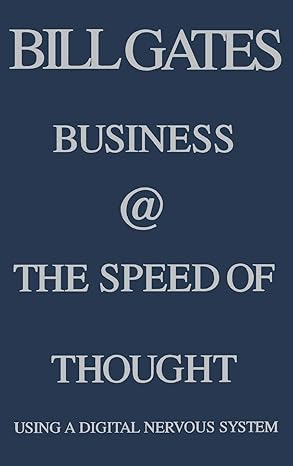
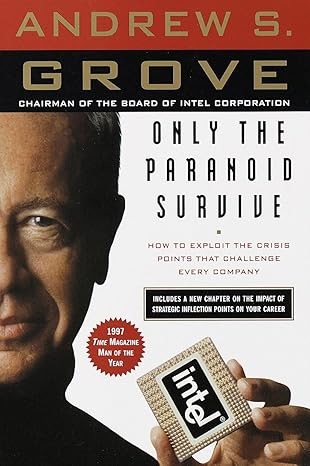
One line summary: Gates predicted the nervous system. Grove explained the moment it becomes existential. 2025 was that moment. 2026 is the scramble.
Andy Grove was right: this is a 10× shift
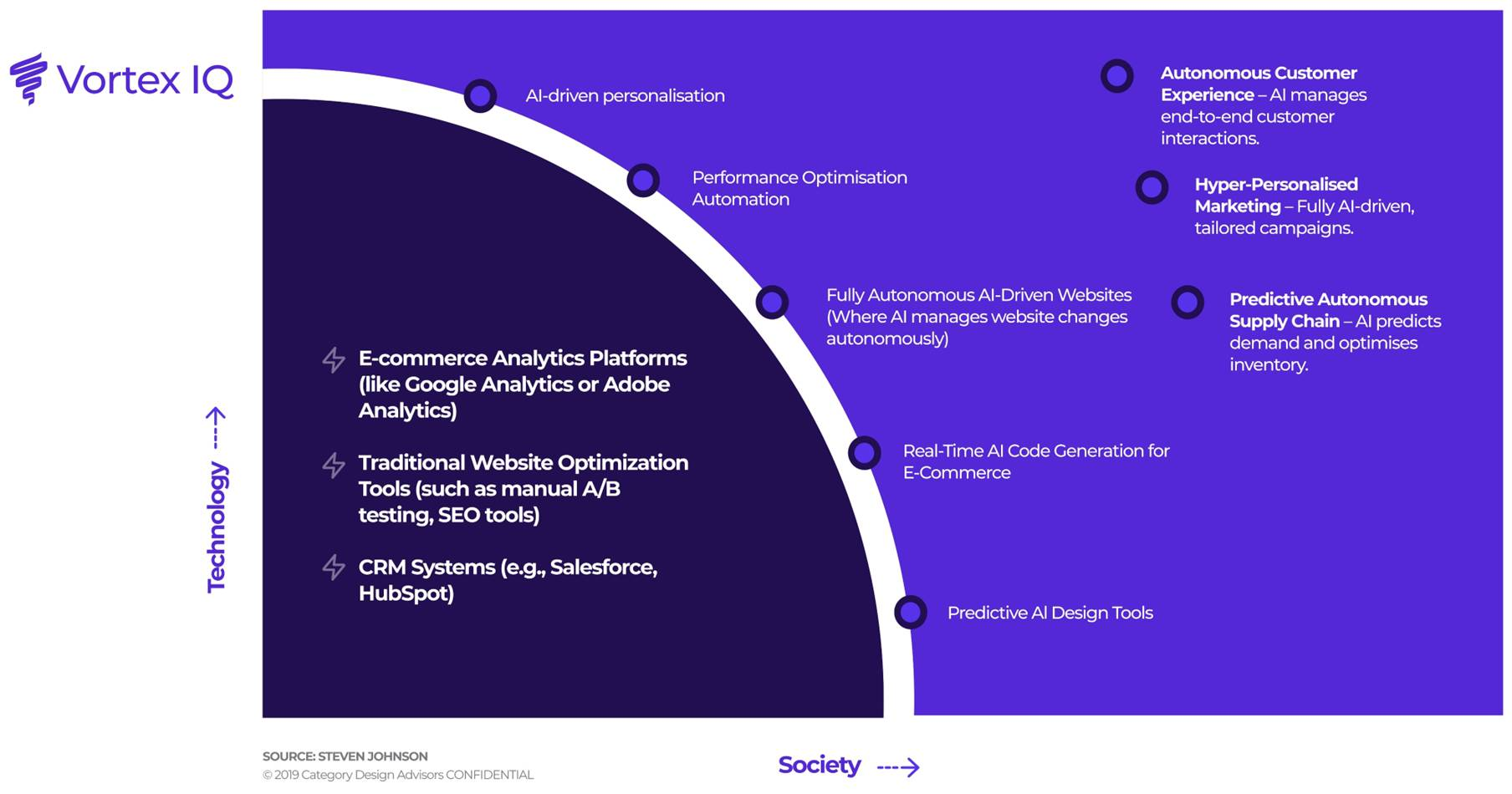
Andy Grove called them strategic inflection points—moments when the old rules stop working, slowly at first, then all at once.
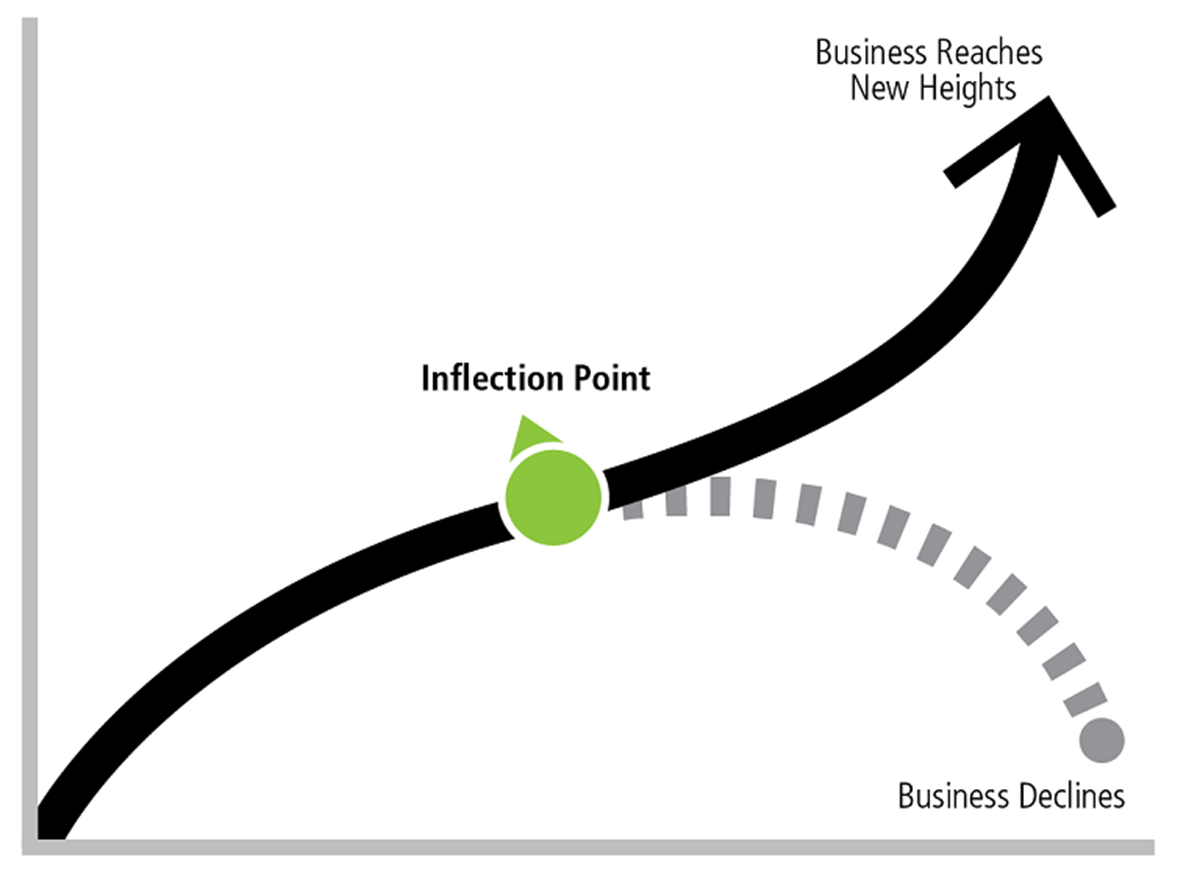
Here’s what makes this one different: the “10×” isn’t just cheaper ads or a new channel. It’s the shift from human-managed storefronts to self-driving operations.
The old stack is a tax. The new stack is a system.
If your commerce stack is 12 tools glued together with Slack, spreadsheets, and heroics, you’re paying what I call the Technical Debt Tax. It shows up as:
- Weekly reporting cycles while the market moves daily.
- “War of dashboards” where nobody agrees on the number.
- Manual implementation bottlenecked by dev capacity and risk.
- Blind spots between platforms (ads, GA4, payments, fulfilment).
An AI OS flips that. Monitoring is constant. Diagnosis is automatic. Execution is staged, reviewed, and deployed safely. It’s not magic. It’s architecture.
What this means for three audiences
For merchants
You don’t need “more AI”. You need fewer emergencies. The win is boring in the best way: less firefighting, more uptime, more conversion, fewer refunds.
For tech partners
The next platform layer is not another dashboard. It’s an orchestration layer that can turn any API into an agent (and execute safely through staging + rollback). That’s where integrations stop being “connectors” and become capabilities.
For VCs
The wedge is trust. Everyone can generate insights. Very few companies can close the loop from Monitor → Diagnose → Act without breaking the live site. That safety loop becomes distribution, retention, and defensibility.
The punchline
If 2025 was the inflection point, 2026 is when the market starts pricing in the difference between: teams that operate commerce and systems that run commerce.
Ready to meet Viq?
If you want to see what a real Digital Nervous System looks like in practice—monitoring, diagnosis, and staged actions— we’ll show you on your own stack.
Designer note: This is a layout mock-up with embedded base64 images. Swap CTAs, fonts, and brand tokens as needed.